


Published
6 minute read
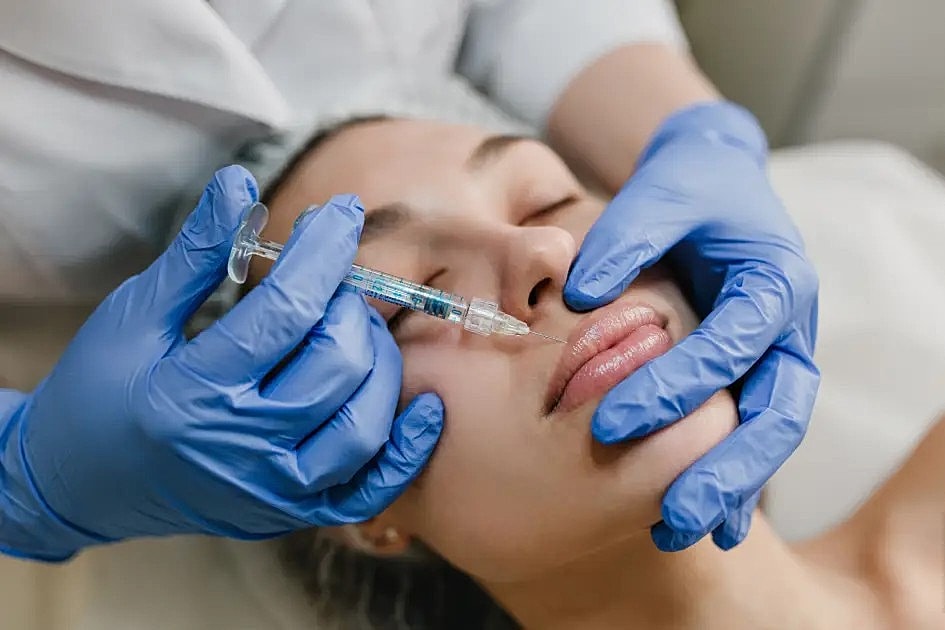
If you are thinking about smoother skin and a fresher look, it is natural to ask, “Are Botox and Dysport safe?” For most healthy adults, the answer is yes when treatment is performed by a qualified provider with the right technique, dosing, and attention to aftercare. With FDA-approved treatment options, Botox and Dysport continue to be a trusted choice for softening forehead lines, frown lines, and crow’s feet with results that still look natural.
Botox and Dysport are neuromodulators made from botulinum toxin type A. They work by temporarily reducing the movement of targeted muscles. When those muscles contract less, the skin above them does not crease as deeply. This is why these treatments are commonly used for expression lines caused by repetitive movement.
Common treatment areas are:
The effect is temporary, and results develop gradually. Treatment should look controlled and natural, not stiff or overly restricted. That part comes down to careful placement, appropriate dosing, and a provider who understands facial balance.
The short answer is yes, for the most appropriate candidates under professional care. Are Botox and Dysport safe for everyone, though? No cosmetic treatment is right for every patient. This is why a Botox and Dysport provider should review your medical history, current medications, allergies, prior cosmetic treatments, and any neuromuscular conditions before moving forward.
A few factors have the biggest impact on safety:
A skilled injector knows how facial muscles interact and how product placement affects expression. This knowledge lowers the risk of unwanted heaviness, drooping, or asymmetry.
Some patients may need to postpone treatment, especially during pregnancy, breastfeeding, illness, or certain medical conditions that make neuromodulators a poor fit.
Overtreatment is not just an aesthetic issue. Too much product in the wrong place can affect facial movement in ways patients did not want.
A good consultation should explain expected results, likely side effects, and when to follow up.
Most side effects after Botox and Dysport are mild and temporary. Injection-related effects are the most typical and usually settle within hours to a few days.
Botox and Dysport patients may notice:
These reactions are generally considered normal. Many patients actually return to work, errands, or regular daily plans the same day. Even so, “minimal downtime” does not mean “no response at all.” Some skin types bruise more easily, and first-time patients may be more aware of tightness or tenderness.
There are also side effects that happen less often but still deserve mention. These usually relate to how the product settles or how a nearby muscle responds.
Examples include:
Most of these effects are temporary. However, they can last for several weeks as the product wears off. This is one reason provider selection matters so much. Technique plays a major role in reducing preventable issues.
Serious reactions are uncommon, but patients should know when something goes beyond the expected recovery window. Contact your provider promptly if you experience trouble swallowing, trouble breathing, major vision changes, widespread weakness, or signs of an allergic reaction. Those symptoms are not part of a routine cosmetic response.
It is also worth calling if bruising is more significant than expected, one eyelid becomes noticeably lower, or the treated area feels very uneven after enough time has passed for results to settle.
One reason these treatments remain popular and effective is that Botox and Dysport recovery and aftercare are usually straightforward. You may leave the appointment with tiny raised spots where the injections were placed. These often fade fairly quickly. Mild redness may settle within the hour, while bruising can last several days if it occurs.
Results do not appear all at once. Some patients begin noticing changes within a few days, yet the full desired effect may develop over the next one to two weeks. During this window, one side may appear to respond faster than the other. That alone is not a problem.
Recovery and aftercare for such treatments usually include:
Preparation before treatment day matters, too. Patients who bruise easily may be recommended to avoid certain medications and supplements. It also helps to schedule wisely. Booking right before a specific life event (wedding or photo sessions) is not ideal for a first treatment. Giving the product time to settle allows a better sense of the final result.
Another smart step is asking practical questions during the consultation.
Those questions are not excessive. They are part of making a careful decision.
For patients looking into Botox and Dysport in Northborough, MA, ONORÉ provides expertly administered Botox® and Dysport® injections along with advanced neuromodulator treatments. These wrinkle-relaxing injections are designed to smooth expression lines, soften dynamic wrinkles, and help limit the formation of deeper creases while maintaining natural facial movement.
Botox® and Dysport® are FDA-approved anti-aging injections used to treat dynamic wrinkles caused by repetitive muscle movement. Patients may seek treatment for frown lines, crow’s feet, or forehead lines, and a customized plan can help create balanced, natural-looking improvement.
The ONORÉ team serves Northborough as well as nearby communities, including Westborough, Southborough, Shrewsbury, Marlborough, and Boylston.
Schedule Your Botox or Dysport Consultation.
Healthy adults bothered by dynamic wrinkles such as forehead lines, frown lines, or crow’s feet are often good candidates after a proper medical evaluation.
Botox and Dysport are both neuromodulators that relax targeted facial muscles, but they may differ slightly in spread, onset, and dosing.
Results from Botox and Dysport typically last about three to four months, depending on the treatment area and individual response.